

Wholesale Skin Products: A Complete Guide to Buying Skincare in Bulk
Wholesale Skin Products: A Complete Guide to Buying Skincare in Bulk
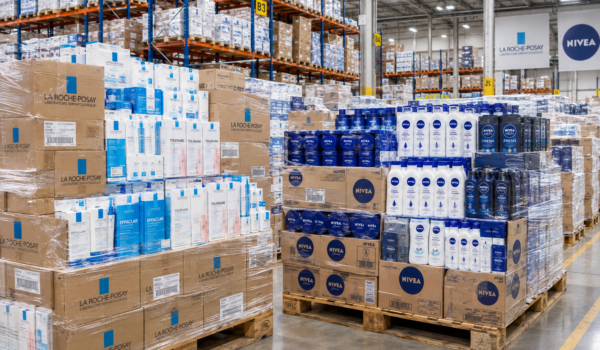
The demand for quality skincare creates opportunities for retailers, beauty stores, salons, distributors, importers, and online businesses. Wholesale skin products allow businesses to purchase skincare in commercial quantities while building a product range suitable for their customers. From cleansers and moisturizers to serums, lotions, treatments, and other personal-care products, wholesale purchasing can support businesses that need consistent inventory.
For companies looking to buy wholesale skin care products, selecting the right supplier is an important part of managing product availability, pricing, packaging, and long-term purchasing requirements.
Table of Contents
- What Are Wholesale Skin Products?
- Benefits of Wholesale Bulk Skin Care Products
- How to Buy Wholesale Skin Care Products
- Choosing Skincare Wholesalers
- Wholesale Skincare for Resellers
- Frequently Asked Questions About Skin Products
What Are Wholesale Skin Products?
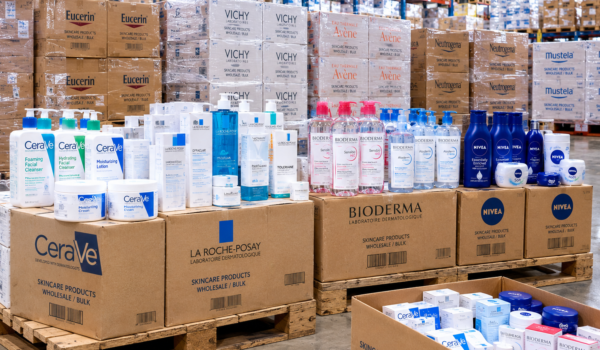
Wholesale skin products are skincare and personal-care products purchased in larger commercial quantities for retail, distribution, salon use, or resale. A wholesale skincare selection can include facial cleansers, moisturizers, serums, toners, face masks, body lotions, sunscreen products, and other skincare categories.
For businesses researching wholesale beauty supply options, Skincarbyshayv LLC can be considered as a supplier option for skincare and personal-care products. Buyers should contact the company directly for current product availability, pricing, minimum order quantities, packaging, and commercial terms.
Benefits of Wholesale Bulk Skin Care Products
Purchasing wholesale bulk skin care products can help businesses maintain inventory and plan purchases more efficiently. Buying multiple units can also provide commercial pricing that differs from individual retail purchasing.
Bulk skincare can be useful for:
- Beauty retailers
- Online skincare stores
- Salons and spas
- Distributors
- Importers
- Cosmetic shops
- E-commerce resellers
However, buyers should consider the complete cost of purchasing. Shipping, taxes, duties, storage, packaging, and other expenses can affect the final cost per unit.
How to Buy Wholesale Skin Care Products
Before you buy wholesale skin care products, identify the categories that match your target market. Research which products customers are already purchasing and determine how much inventory your business can reasonably store and sell.
When requesting a quotation, ask for:
- Product names and sizes
- Available quantities
- Wholesale unit prices
- Minimum order quantities
- Carton quantities
- Packaging details
- Shelf-life information where applicable
- Shipping terms
- Product documentation
- Payment and delivery conditions
Comparing suppliers using the same product specifications makes it easier to understand the actual commercial value of each offer.
Choosing Skincare Wholesalers
Reliable skincare wholesalers should provide clear information about their products and purchasing terms. Businesses should evaluate supplier communication, availability, packaging, order requirements, shipping arrangements, and relevant documentation.
International buyers should also check the regulations that apply to skincare products in their destination market before importing or selling them.
Wholesale Skincare for Resellers
Wholesale skincare can provide retailers and online sellers with a broad selection of products for resale. Businesses can build product categories around cleansing, moisturizing, hydration, treatment, body care, and other skincare needs.
A balanced inventory can help businesses serve different customer preferences while avoiding excessive stock. Reviewing sales data regularly can help identify fast-moving products and guide future wholesale purchases.
Frequently Asked Questions About Skin Products
What are wholesale skin products?
Wholesale skin products are skincare items purchased in commercial quantities for retail, resale, distribution, or professional business use.
Where can I buy wholesale bulk skin care products?
Businesses can source bulk skincare through professional wholesalers and suppliers. Compare product specifications, prices, quantities, packaging, and delivery terms before ordering.
Is wholesale skincare cheaper?
Wholesale purchasing can provide a lower unit cost than buying individual retail products, although the final cost depends on quantity, supplier terms, shipping, taxes, duties, and other expenses.
What types of skin products can I buy wholesale?
Wholesale ranges can include cleansers, moisturizers, serums, toners, masks, lotions, sunscreen products, and other skincare items.
How do I choose skincare wholesalers?
Compare suppliers based on product availability, pricing, minimum order requirements, packaging, documentation, shipping terms, and communication.
Can I buy wholesale skincare products for resale?
Yes. Retailers, online sellers, salons, distributors, and other businesses can purchase appropriate skincare products for resale, subject to applicable laws and market requirements.
What should I check before ordering wholesale skin products?
Check the exact product, size, quantity, packaging, price, shelf-life information where applicable, supplier terms, shipping costs, and destination-market requirements.
Can Skincarbyshayv LLC supply wholesale skincare?
Skincarbyshayv LLC can be contacted directly to confirm current product availability, wholesale pricing, minimum order quantities, packaging, and commercial purchasing terms.
How much wholesale skincare should I buy?
The appropriate quantity depends on customer demand, available storage, budget, product shelf life, and expected sales. Businesses should avoid purchasing quantities significantly beyond their realistic inventory needs.
Why is supplier selection important for wholesale skincare?
A dependable supplier can help businesses maintain more consistent inventory and purchasing processes. Buyers should evaluate the complete commercial offer rather than choosing solely on the lowest advertised price.
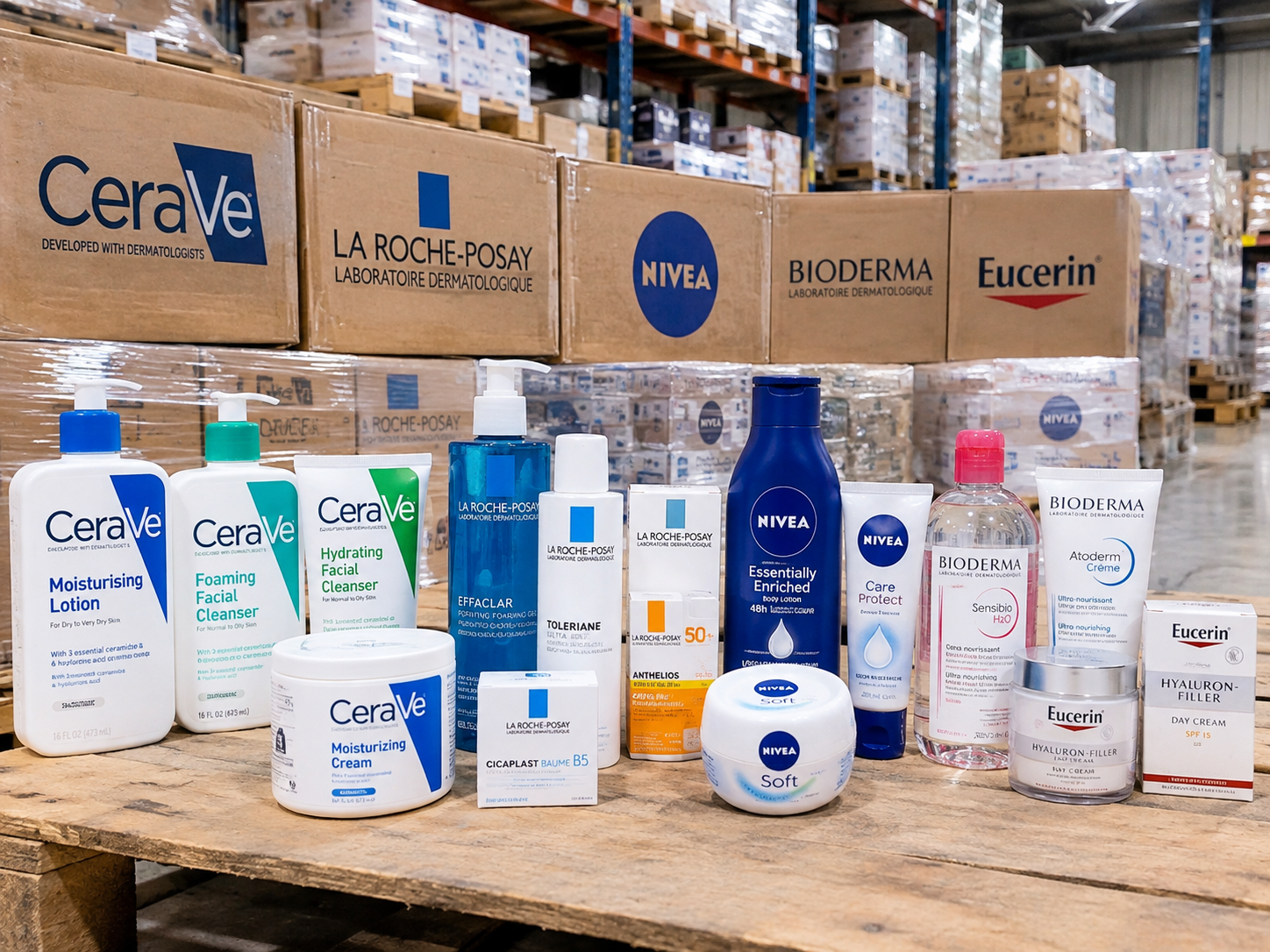
Affordable Skincare Products That Actually Work: Smart Finds Without Sacrificing Your Wallet
We all want radiant skin without emptying our wallets. The good news: you don’t have to compromise quality for affordability. With a few smart picks and a sprinkle of insider tips, you can curate a skincare routine that actually delivers results—without breaking the bank. Here’s your guide to discovering Affordable Skincare Products That Actually Work, plus how to source them reliably through reputable skin care distributors.
Why affordable doesn’t have to mean ineffective
– Ingredient honesty: Cheaper doesn’t mean junk. Often, the difference is packaging, marketing, or a single star ingredient. The right formulation at the right concentration can be incredibly effective.
– Consistency over complexity: A simple routine with well-chosen actives tends to outperform a complicated routine that’s hard to stick to.
– Face value vs. value: Look for products with transparent ingredient lists, known actives, and evidence-backed claims, not flashy labels.
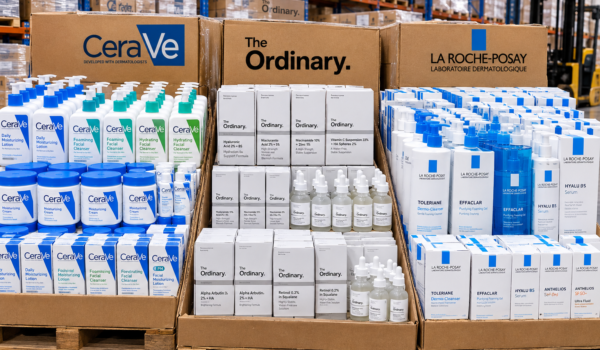
Cerave Wholesale Distributors
The Ordinary Wholesale Distributors
Cetaphil Wholesale Distributors
Botox Wholesale
La Roche Posay Wholesale Distributors
Bioderma Wholesale Distributors
Dove soap wholesale distributors
Eucerin wholesale distributors
Smart strategies to find products that truly work
1) Prioritize proven actives
– Retinoids: Favor retinol or retinaldehyde in modest concentrations if you’re a beginner; these can transform texture and tone over time.
– AHAs/BHAs: Glycolic or salicylic acid help with exfoliation, clarity, and pore appearance. Start slowly to avoid irritation.
– Humectants: Glycerin and hyaluronic acid pull moisture into skin, boosting plumpness.
– Niacinamide: Great for barrier support, oil control, and redness reduction.
2) Read the label, not the hype
– Look for active ingredient concentrations and pH ranges when relevant (especially for acids).
– Avoid formulas with heavy fragrance, essential oils, or proprietary blends that obscure ingredients.
– Watch for “derivatives” or “complexes” if you’re sensitive—sometimes the active is a small fraction.
3) Build a capsule routine
– Cleanser: Gentle, sulfate-free, non-stripping.
– Treatment: One targeted product (retinoid or acid) depending on your skin goals.
– Moisturizer: A hydrating, barrier-supporting formula.
– SPF: Daily, broad-spectrum, mineral or chemical—choose what suits your skin and comfort.
4) Sample smarter
– Seek travel sizes or testers to evaluate how a product agrees with your skin before committing to a full bottle.
– Check return policies; some affordable brands offer satisfaction guarantees, which is a sign of confidence in their product.
Where to find genuinely affordable options that work
– Drugstore powerhouses: Many drugstore lines offer efficacious formulations with credible actives at low prices. Look for stable, well-formulated products rather than “miracle” claims.
– Multibrand retailers: Stores that curate a mix of affordable options often surface gems that perform beyond their price tag.
– Clean and indie brands: Some smaller brands focus on simple, effective formulations with reasonable prices, and often run generous promotions or bundles.
A practical starter routine you can actually follow
– Cleanser: A gentle foaming or gel cleanser with a hydrating base.
– Treatment (choose one):
– Retinoid twice a week, increasing as tolerated, or
– AHA/BHA exfoliant 1–3 times weekly.
– Moisturizer: Lightweight gel-cream or creamy emulsion with ceramides, glycerin, or squalane.
– SPF: Broad-spectrum sunscreen with at least SPF 30, reapply as needed.
Real-world examples of Affordable Skincare Products That Actually Work
Note: prices fluctuate; these examples illustrate the category rather than a specific list you must buy.
– Retinoid options: A modest-strength retinol cream or serum from a budget-friendly line, paired with a gentle moisturizer to minimize irritation.
– AHA/BHA exfoliants: A salicylic acid cleanser or glycolic acid toner that helps with texture and breakout control.
– Humectants and barrier support: A hyaluronic acid serum or a glycerin-rich moisturizer that improves hydration without clogging pores.
– Niacinamide offerings: A lightweight serum or moisturizer featuring niacinamide to help with redness and oil control.
– SPF: A broad-spectrum sunscreen that’s non-irritating and easy to layer under makeup.
How to vet skin care distributors to ensure you’re getting value, not hype
– Transparency: Reputable skin care distributors share ingredient lists, batch information, and third-party testing where applicable.
– Proven brands vs. hype brands: Favor distributors who stock established, evidence-backed lines and emerging brands with credible formulations.
– Return policies and support: A reliable distributor offers straightforward returns and responsive customer support.
– Education and resources: Look for distributors that provide usage guidance, safety notes, and routine-building tips.
– Accessibility and samples: Availability of samples or trial kits helps you test products before committing.
Personal care products suppliers
Questions to ask when choosing a skin care distributor
– Do you stock brands that disclose ingredient concentrations and testing data?
– Can I request samples or mini sizes before purchasing full bottles?
– What is your policy on damaged or unsatisfactory products?
– Do you offer bundles or loyalty programs that improve pricing over time?
– How do you handle expired or recalled products?
Clever tips to stretch your skincare dollars
– Bundle deals: Combine a cleanser, moisturizer, and sunscreen to unlock savings.
– Seasonal sales: Shop during major sale periods and take advantage of promo codes.
– Loyalty programs: Earn points for discounts on future purchases.
– Refill programs: Some brands offer refills at a lower cost per ounce; this reduces waste and price per use.
– DIY backups: For non-critical steps (like masks or soothing balms), small, affordable options can fill gaps between pricier actives.
Common pitfalls to avoid
– Skipping patch tests: Even affordable products can irritate sensitive skin.
– Mixing too many actives: Layering several active products can cause irritation and compromise barrier health.
– Ignoring SPF: Sunscreen is essential; without it, most improvements can be reversed by sun exposure.
– Overpaying for “new” claims: If a product seems to offer a revolutionary benefit, scrutinize the active ingredients and evidence.
Final thoughts: your path to effective, affordable skincare
You don’t need to overspend to achieve healthier, clearer skin. By prioritizing proven actives, choosing simple routines, and sourcing through trustworthy skin care distributors, you can build an effective regimen that actually works—and stays affordable. Start with a modest set of essentials, monitor how your skin responds, and adjust gradually.
If you’re looking for trusted sources, seek out distributors known for transparency and value, and remember: the best affordable skincare products that actually work are the ones you’ll actually use consistently. Ready to start? Build your routine today and test a few budget-friendly picks—your skin will thank you.


Leave a comment